welcome to the world of Minitz

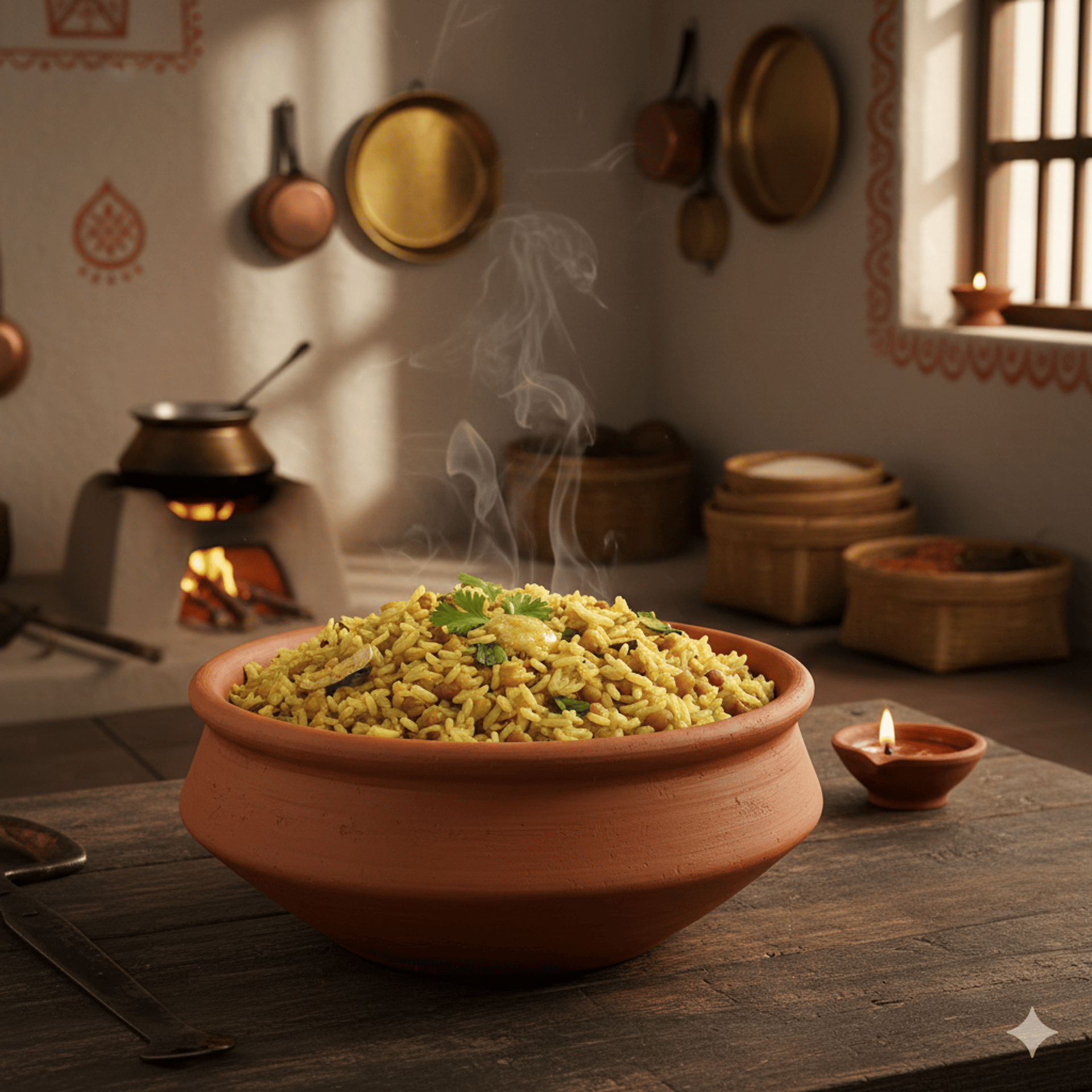
The Ancient Origins of Kichidi: A Culinary Legacy
Khichdi is one of India’s oldest comfort foods, dating back over 2,000 years, with mentions in ancient Ayurvedic texts as a nourishing, easy-to-digest meal made from rice and lentils. Over time, it evolved across regions, becoming a symbol of simplicity, health, and wholesome home cooking.
2/10/20262 min read
Introduction to Kichidi
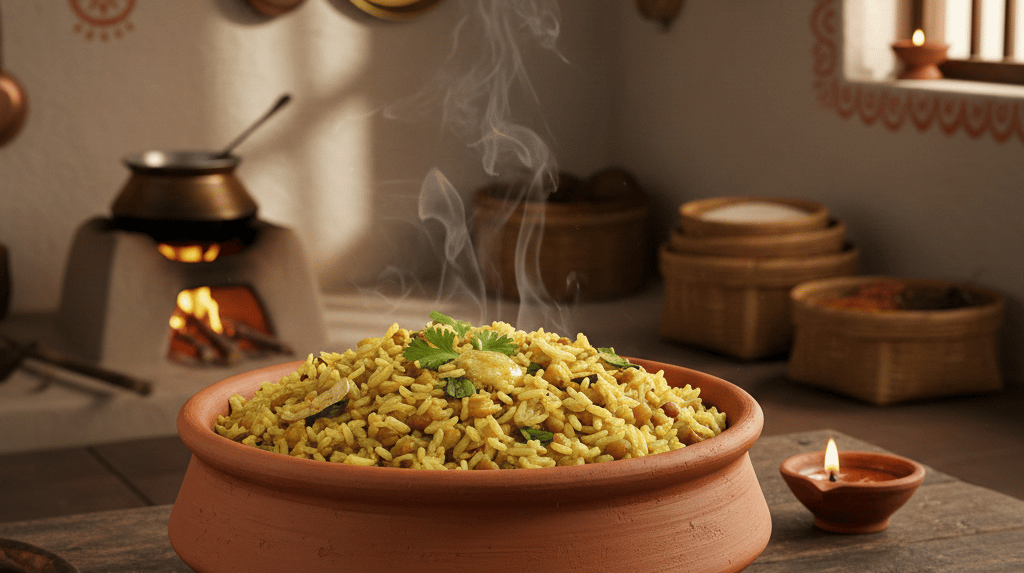
Kichidi, a staple dish in Indian cuisine, holds a special place not only in the hearts of its connoisseurs but also in the annals of history. Tracing its origin back to Vedic times, this wholesome dish has evolved over centuries, yet its significance remains intact. Kichidi is often associated with comfort and nutrition, embodying the essence of simplicity and nourishment that has transcended generations.
Kichidi in Vedic Literature
The earliest mentions of kichidi can be found in Vedic texts, dating back over 3,000 years. These ancient scriptures highlight the use of lentils and grains, which were considered integral to the diets of early civilizations.
The term "kichidi" is derived from the Sanskrit word "kicchika," which refers to a mixture or blend, aptly describing the combination of rice and lentils that forms the base of this dish. Historical accounts suggest that kichidi was not merely food; it was a symbol of unity, bringing families together during festivals and significant events.
Nutritional Value and Cultural Significance
In addition to its historical importance, the nutritional value of kichidi cannot be overlooked. Rich in carbohydrates, proteins, and essential vitamins, this dish is often recommended for those recovering from illnesses. Studies have shown that the balanced ratio of rice and lentils offers a complete source of protein, making it a preferred choice for vegetarians in India and beyond.
Culturally, kichidi has taken on various forms across regions, adapting to local tastes and ingredients. In the southern parts of India, for instance, you may find a spicier version made with coconut, while in the northern regions, it is often enjoyed with ghee and paired with accompaniments such as pickles and papad. Regardless of its variations, kichidi remains a dish that embodies warmth and comfort, often referred to as "the food of the gods" in ancient texts.
Moreover, events like the harvest festival—Makar Sankranti—traditionally involve the preparation and sharing of kichidi, further cementing its role as a cultural centerpiece. Recent surveys indicate that over 70% of Indian households prepare kichidi as part of their weekly meals, demonstrating its adaptability and enduring appeal.
In conclusion, kichidi is much more than a simple dish; it is a reflection of India’s rich cultural heritage and culinary prowess. From its origins in Vedic texts to its contemporary adaptations, kichidi continues to resonate with people across generations. Whether it is a comfort food during times of illness, a celebratory dish at festivals, or a nutritious staple, kichidi is truly a testament to the wisdom of ancient practices and the culinary legacy of India.
ZAPPAK CULINARY EXPEDITIONS PVT LTD
Cooking Made Fun for Everyone
Contact
Newsletter
email : customercare@zappak.in
+ 91 9667814039
© 2026 All rights reserved.
UDYAM -DL-03-0030513
CIN - U47219DL2023PTC410225
FSSAI CENTRAL LICENSE - 13326999000102
PAN - AAFCF3653A
TRADE LICENSE - MGT L08251791276996
IMPORTER - EXPORTER CODE - (IEC) AAFCF3653A
GST REGSITRATION - 07AAFCF3653A1Z1
D1/1232 Top Floor, Vasant Kunj, New Delhi 110070